
ook, let’s be real for a minute. Applying for a new credit card usually sounds about as fun as going to the DMV. You worry about getting rejected, you wonder if you’re missing some hidden fine print, and the whole form feels like it was written by lawyers for lawyers.
We are going to skip all that confusion right now.
Getting the BankAmericard set up and working for you is actually a walk in the park if you do it in the right order. You don’t need a degree in finance, and you don’t need to spend hours staring at your computer screen. You just need about 10 minutes, a clear plan, and a few basic numbers sitting right in front of you.
Below is the simple, stress-free roadmap to get this card in your hands, move your high-interest balance, and start saving hundreds of dollars on interest charges immediately.
What You Need in Your Hands Before You Click “Apply”
Before you open the application page, grab these few items. Having them right next to you prevents the page from timing out while you hunt through drawers for paperwork.
- ✅ Your Personal Details: Full legal name, date of birth, home address, and Social Security Number (or ITIN).
- ✅ Your Financial Snapshot: Total annual income (this includes your main job, freelance work, side hustles, or retirement—if you’re 21 or older, you can also include household income you have reasonable access to).
- ✅ Housing Costs: What you pay monthly for rent or mortgage.
- ✅ Statements from Your Current High-Interest Cards: You will need the account numbers and the exact balances you want to transfer.
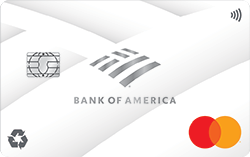
Step 1: Gathering Your Numbers (The 5-Minute Prep)
The biggest mistake people make when applying for a balance transfer card is guessing their numbers. Don’t guess.
Log into your current credit card accounts—whether that’s Chase, Citi, Discover, or a store credit card—and write down two things for each one:
- The exact balance currently sitting on the card.
- The current APR (interest rate) you are being charged.
Why does this matter? Because you want to prioritize transferring the debt that is burning the biggest hole in your pocket first. If Card A is charging you 28% interest and Card B is charging you 19%, Card A is your target #1.
(Quick heads up: Bank of America will not let you transfer debt from another Bank of America card. It has to be debt coming from a different financial institution.)
Step 2: Filling Out the Application (What They Actually Look At)
When you hit the official Bank of America application page, the form is going to ask for standard personal info. Here is how to navigate it without second-guessing yourself:
- Total Annual Income: Be honest, but be thorough. People often forget to include bonuses, side gigs, alimony, child support, or investment returns. If you are 21 or older and regularly use a spouse or partner’s income to pay your living expenses, you are legally allowed to include that total as well. The higher your verifiable income, the higher credit line you are likely to be granted.
- Monthly Housing Payment: Put down your exact monthly rent or mortgage payment. Bank of America compares this to your income to make sure you have enough cash flow to handle a credit card payment.
- Employment Status: Select whether you are employed, self-employed, retired, or a student. If self-employed, don’t sweat it—just use your net business income or overall gross income from your last tax return.
Step 3: Setting Up Your Balance Transfer
During the application, you will usually see an option that asks: “Would you like to request a balance transfer now?”
You have two options here:
Option A: Do it directly in the application (Recommended). You simply enter the account number of your old credit card and the dollar amount you want to move over. Bank of America will automatically queue up the transfer so that as soon as your account is approved and activated, the money moves over without you having to lift a finger again.
Option B: Do it after you receive your physical card. If you prefer to wait until you see your approved credit limit first, that is totally fine too. Once your card arrives in the mail (usually within 7 to 10 business days), you can log into the Bank of America mobile app or online banking portal and initiate the transfer from there. Just remember: you usually have 60 days from opening the account to lock in that 0% intro APR rate!
Step 4: What Happens After You Click Submit?
Once you hit that big final button, one of three things will happen:
- Instant Approval (The Best Case): You’ll see a screen saying “Approved!” along with your starting credit limit. Your physical card will arrive in a plain white envelope in about a week.
- Pending Review (Don’t Panic): Sometimes the automated system just needs a human being to double-check an address or verify your identity. It doesn’t mean you were rejected! It just means they might call you or send an email asking for a quick document upload (like a paystub or utility bill).
- Need More Information / Declined: If your credit score is currently a little too low or your debt-to-income ratio is tight, they might send a letter explaining why. If this happens, you can actually call their “Reconsideration Line,” talk to a real person, and explain your situation. Sometimes just clarifying an income number on the phone is enough to flip a “no” into a “yes.”
Pro Tips from a Friend: How to Avoid Messing This Up
Once you are approved and your balance transfer is requested, you are in the home stretch! But to make sure this strategy saves you maximum money, follow these three rules:
Rule #1: DO NOT Stop Paying Your Old Card Immediately
This is where so many people accidentally get hit with late fees! A balance transfer is not instant like a debit card purchase. It can take anywhere from 3 to 14 business days for Bank of America to send the money over to your old credit card company.
Keep checking your old credit card account. If a monthly payment is due while the transfer is still “pending,” pay the minimum payment on time. Once the balance transfer officially posts and clears the account, your old card balance will drop to $0. If you overpaid by a few bucks, your old card company will simply mail you a refund check or leave a credit balance. Better safe than late!
Rule #2: Do Not Close Your Old Credit Card Account
Once your old card is paid off and sitting at a sweet $0 balance, your first instinct might be to shred it and close the account completely.
Hold on a second!
Closing an old credit card can actually harm your credit score. Why? Because it lowers your overall available credit limit (which spikes your credit utilization) and shortens the average age of your credit history.
Instead, leave the old account open with a $0 balance. Put the physical plastic card in a drawer, lock it away, or cut up the plastic so you aren’t tempted to use it—but keep the line of credit open in the background so your credit score keeps climbing.
Rule #3: Do the “Divide by 18” Math Trick
Want to know the ultimate feeling of freedom? Knowing the exact date you will be 100% debt-free.
As soon as your balance transfer goes through, take your total balance and divide it by the number of months in your 0% intro period.
For Example: If you transferred $4,500 and you have 18 months of 0% APR: $4,500 ÷ 18 = $250 per month.
Set up an automatic monthly payment in your bank account for $250.
Now you can completely set it and forget it. Every single dollar of that $250 goes straight to killing your principal balance. In 18 months, your debt is totally gone, you didn’t pay a single penny of interest, and you beat the bank at their own game.
Ready to Take the First Step?
Stop letting high interest rates dictate your monthly budget. You work too hard for your money to let half of your payment get swallowed up by bank charges every 30 days.
Take 10 minutes right now, gather your details, and see how much breathing room the BankAmericard can give you starting today.
You will be redirected.

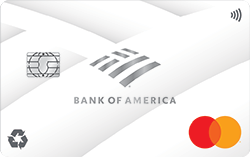 Stop Throwing Money Away on Interest: How the BankAmericard Can Help You